
Whoa! I started using Solana wallets last year and the learning curve surprised me. At first I treated it like a toy wallet for NFTs and lol, I didn’t take it very very seriously. Initially I thought Phantom would be the simplest route, but after tracking fees and confirmations I realized there are subtle trade-offs between wallets. My instinct said Phantom had the best UX though.
Hmm… The Phantom extension especially cleaned up a lot of friction with its one-click connections to dapps and clear key management. I liked that it handled Ledger integration without making me jump through hoops. Wallets like Sollet felt more developer-focused, which is fine for some but not for casual collectors. I’m biased, but UX matters a lot in crypto mass adoption.
Whoa! Fees on Solana are usually tiny, and most transfers cost next-to-nothing. Sometimes though congestion spikes and that pushed fees higher for a few minutes. Actually, wait—let me rephrase that: retries are rare but when they happen they feel ugly. This part bugs me because a stuck transaction can hold an NFT mid-air and that’s stressful.
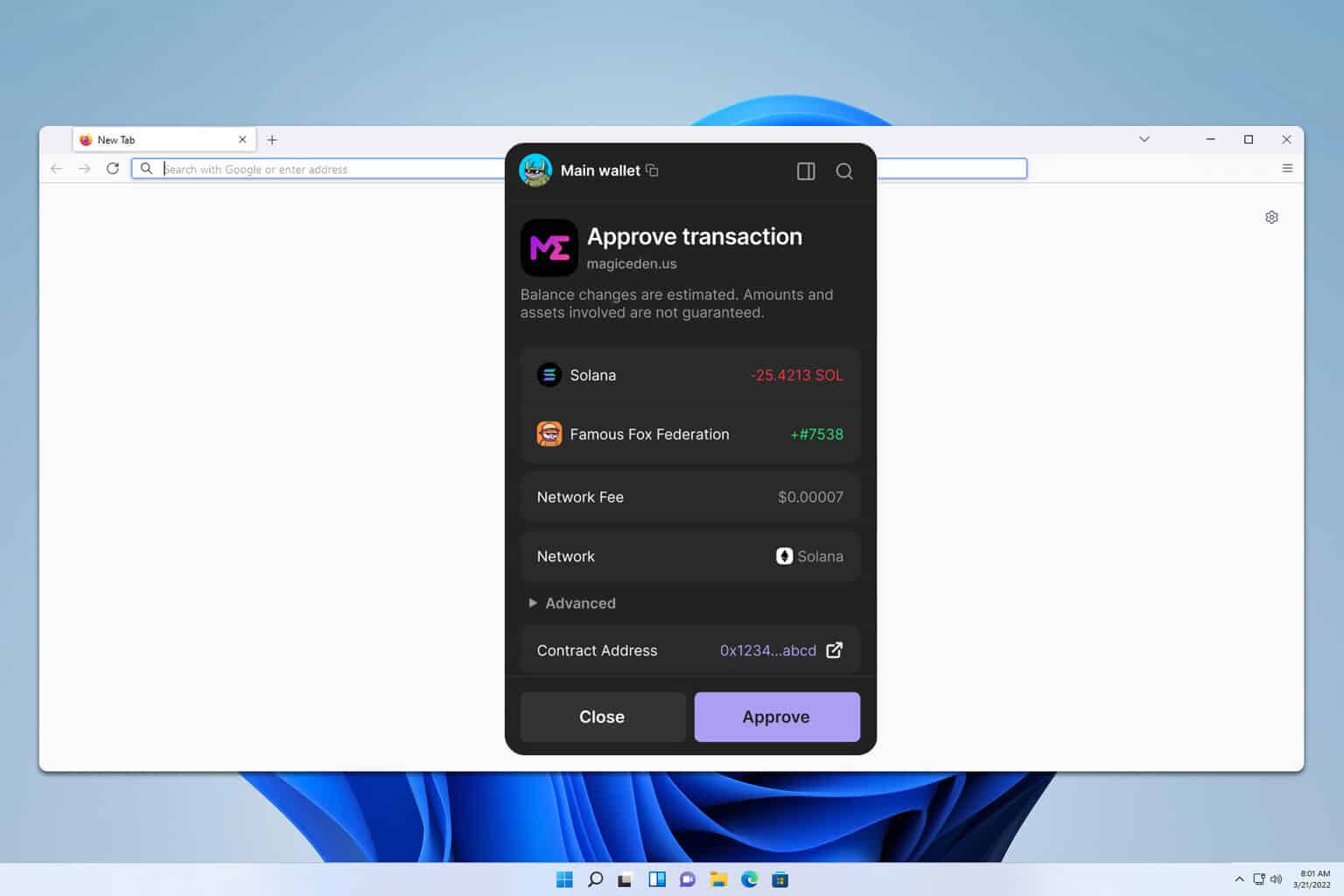
Seriously? The extension model for wallets is comforting because everything stays in-browser and feels fast. But browser security is a whole other layer, and extensions can be phished if you aren’t careful. Something felt off about a popup I once clicked—lesson learned, don’t click weird links. So here’s a practical tip: always verify the origin and double-check the site even if the naming looks familiar.
How I install and what I recommend
Hmm… Okay, so check this out—Phantom’s install flow is unobtrusive and its prompts are clear enough for most people. If you want the extension, grab it from the official source and avoid random repos; I recommend the phantom wallet download extension for the browser. My gut told me to test recovery phrases immediately, and yes you should store backups offline and in more than one secure location, because if you lose that phrase you’re done. I’ll be honest, I’m not 100% sure about every third-party dapp, so I limit approvals where possible.
Wow! Initially I thought browser extensions were all roughly the same, but then the small details like notification clarity and transaction signing order started to matter. On the road I used a hardware wallet with Phantom and that combo felt secure and surprisingly seamless (oh, and by the way it handled USB hubs fine). I prefer keeping most funds on a cold store, though I keep somethin’ liquid in the extension for quick trades. There’s still a ton to learn and honestly I’m curious where Solana wallets go next—new features, better UX, maybe even multi-account improvements…
Common questions people actually ask
Is Phantom safe to use as an extension?
Short answer: mostly yes, if you follow basic safety practices. Use a hardware wallet for large balances, verify sites before connecting, and never paste your seed phrase into a webpage. Also keep your browser and extension up to date; small updates often squash important security holes.
How does Phantom compare to other Solana wallets?
Phantom focuses on ease-of-use and smooth dapp integrations, whereas wallets like Sollet or Solflare sometimes expose more raw features for power users. On one hand you get convenience, though actually power users might prefer the control of other tools. My take: start with Phantom, learn the mechanics, then branch out if you need advanced features.